
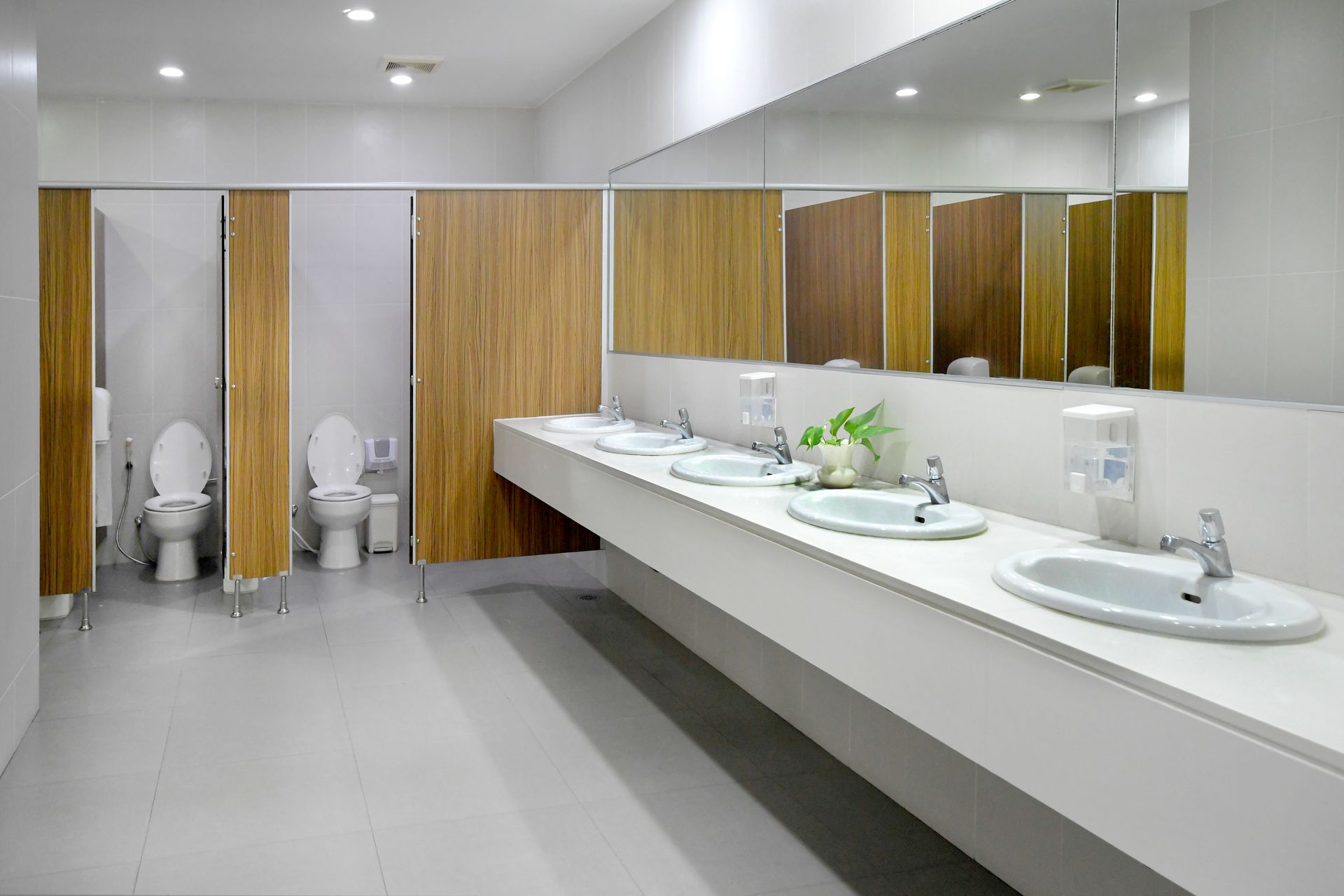
Drains & Sewer · Front Royal, VA
Grease Trap Cleaning Services That Actually Gets the Trap Clean
Most kitchens get a top-skim and a sticker on the wall. We pump it out, scrape the walls and baffles down to the concrete, and tell you straight when it needs doing again. No upsell, no runaround.
If the trap backs up during a dinner rush, the day is already lost.
A grease trap does one boring, important job. It catches the fats, oils, and grease that come off your dishes, your fryers, and your wash sinks before they hit the sewer line. Grease floats, water sinks, and solids drop. The trap holds the grease layer back so only relatively clean water leaves the building. That is the whole idea, and it works right up until the trap fills up.
When a trap gets too full, grease starts carrying over into the line. It coats the pipe, hardens overnight, and the diameter of your drain shrinks a little more every week. Eventually a sink that drained fine on Monday is standing full by Friday, and the smell starts coming back up through the floor drains. By the time most kitchens call somebody, the trap has been overdue for a month and the line already has a problem of its own.
We clean grease traps the way they are supposed to be cleaned. The whole point is to remove the grease cap and the bottom solids, not just open the lid and skim the top. A trap that only gets skimmed looks fine for a week and then fails just as fast as before. We do the part nobody wants to do.
- Slow sinks that come back fastYou snake or plunge a kitchen sink, it clears, and two days later it is slow again. The trap is full and the line is coated.
- A smell that won’t leaveA sour, sewer-grease odor near the floor drains or the mop sink usually means the trap is past due and grease is sitting in the line.
- You honestly don’t know the last timeIf nobody on staff can tell you when it was last pumped, it is overdue. Traps run on a schedule, not a guess.
- The health inspector flagged itFront Royal and Warren County kitchens get checked. A trap that is overflowing or undersized shows up on the report fast.
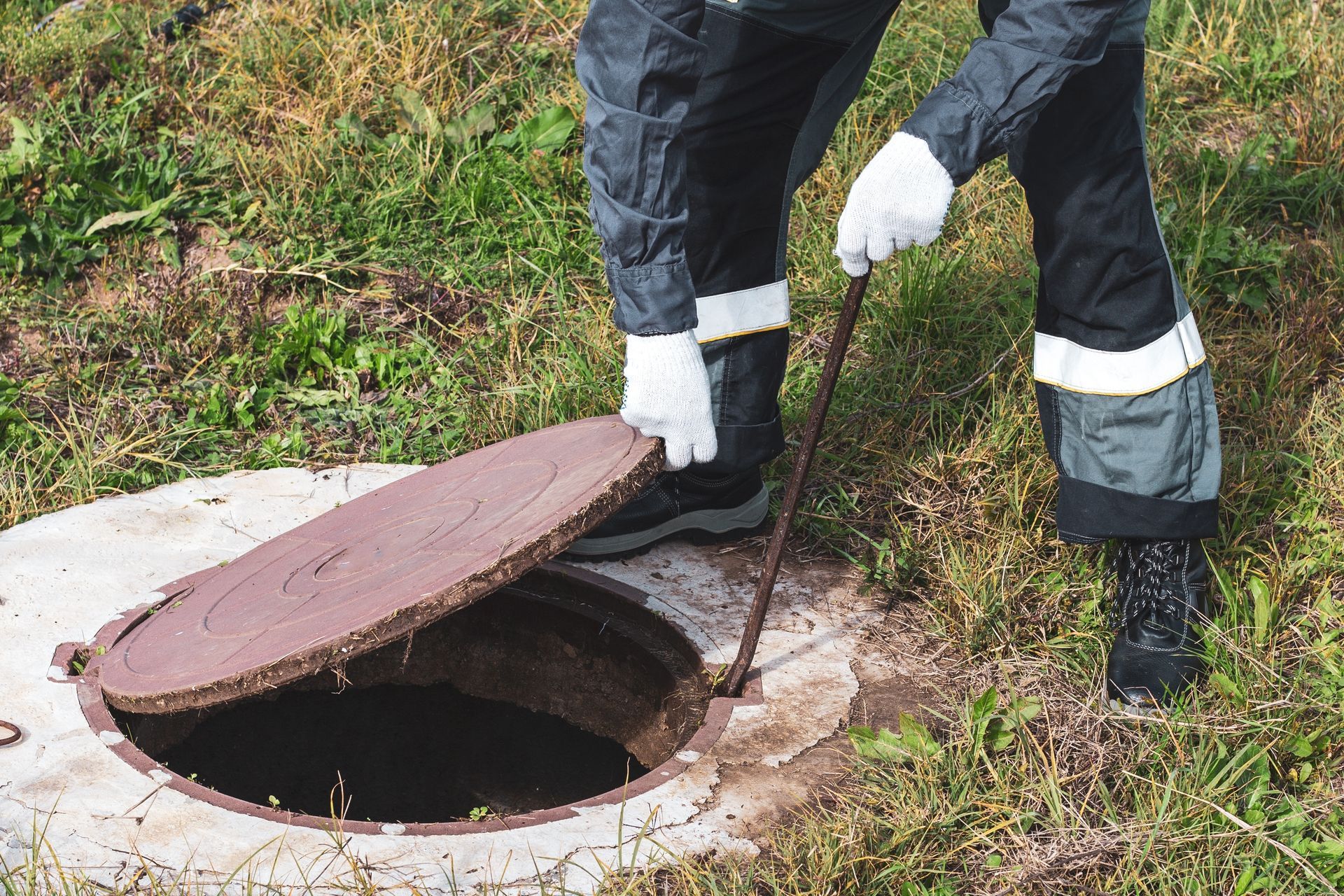 Sewer line inspection in Grease Trap Cleaning Services That Actually Gets the Trap Clean
How Ajax cleans a grease trap.
We empty the whole trap, top to bottom
We open the lid, break up the hardened grease cap, and pump out the entire contents, the grease layer, the gray water in the middle, and the food solids sitting on the floor of the trap. A real cleaning removes all three. Leaving the bottom solids in place is the most common shortcut, and it is the reason traps fill up again so quickly.
We scrape the walls and the baffles
Grease bakes onto the trap walls, the inlet and outlet tees, and the baffle in the middle. We scrape that buildup down by hand so the trap goes back to its real holding capacity. This is the step a vacuum truck alone skips. A trap with an inch of crust on every wall holds a lot less than the gallons stamped on the side.
We check the tees, baffles, and the line
With the trap empty we can actually see it. We check that the inlet and outlet tees are intact, that the baffle wall is solid, and that the gasket and lid still seal. If the line leaving the trap is already grease-coated, this is when we catch it and tell you, instead of you finding out the hard way during service.
We haul it off and tell you the truth on timing
The grease waste leaves with us. Before we go, we tell you how full the trap was for the time it ran, and we give you an honest interval, monthly, every two months, quarterly, whatever your kitchen actually needs. A barbecue place and a coffee shop do not need the same schedule, and we are not going to sell you one you don’t.
What to expect when we come out.
We schedule around your kitchen, not the other way around. Most traps get cleaned before you open or after you close so the work does not land in the middle of a lunch or dinner rush. Tell us when you are slow and we will work it out. For a smaller under-sink trap the cleaning is quick. For a larger in-ground interceptor out back it takes longer because there is more to pump and more wall to scrape, but either way we are not going to drag it out.
There is some odor while the lid is off. There is no way around that with grease, but we keep the work contained, clean up after ourselves, and we are not going to leave your kitchen worse than we found it. We have been doing plumbing in this valley a long time, 45 years of combined experience between the two of us, and a grease trap is one of the more straightforward jobs we handle. We just do the whole job instead of half of it.
If the cleaning turns up a real problem, a cracked baffle, a failing tee, a line that is already badly coated, you will hear about it before we leave, in plain words, with a real number attached. We are not going to invent work that isn’t there, and we are not going to stay quiet about work that is.
- Honest pricing postureThe cost depends on trap size and how overdue it is. A small trap on a regular schedule is cheap. A neglected interceptor that hasn’t been touched in a year costs more because it is more work. We quote it straight and we don’t pad it.
- Free quotesWe will tell you what a cleaning runs and what a schedule would cost before you commit to anything.
- A schedule, not a surpriseThe whole goal is to never have an emergency. Once we know your trap, we can keep it on an interval so it never backs up on you mid-service.
Frozen line in the dead of winter? If a cold snap takes out a water line at the same time, we take 10% off frozen water-line repairs. Front Royal winters are hard on old pipe, and we run 24/7 for the emergencies that don’t wait for business hours.
Front Royal kitchens have their own quirks.
A lot of the restaurants and small kitchens around Front Royal and out through the Shenandoah Valley are in older buildings, and that matters for grease. Plenty of these spaces were converted from something else, so the trap might be undersized for the volume the kitchen actually does now, or it was added years ago without much thought to where it sits. We see traps tucked in basements, buried out back, and crammed under prep sinks where nobody ever wants to deal with them. Part of the job is knowing where to look.
Older drain lines make the grease problem worse, not better. Cast iron and clay that has been in the ground for decades already has a rougher inside wall than new pipe, and grease grabs onto that roughness and builds fast. A trap that is even a little overdue puts grease into a line that was already working against itself. Out in the more rural stretches of Warren County and toward the Eastern Panhandle of West Virginia, you also get kitchens on septic instead of municipal sewer, and a full grease trap will wreck a septic system in a hurry. Keeping the trap clean is the cheapest insurance you have for that drain field.
Winter is its own thing here. When the temperature drops, grease firms up faster and a trap that was borderline in October will carry over and clog by January. We get the cold calls every year. If your kitchen runs hard through the holidays, that is exactly the wrong time to be overdue, and it is worth getting on a schedule before the cold sets in.
We cover Front Royal, the surrounding Shenandoah Valley, Northern Virginia, and the Eastern Panhandle of West Virginia. If you run a kitchen in this area and you are not sure your trap is being cleaned right, call us and we will come look at it. See finished work on our project gallery, or reach out through our contact page to get on the schedule.
Grease trap questions, answered straight.
How often does my grease trap need to be cleaned?
Can’t I just pour drain cleaner or hot water down the line?
What’s the difference between skimming and a real cleaning?
Will the cleaning interrupt my kitchen’s hours?
What happens to the grease after you pump it out?
My trap keeps clogging even after it’s cleaned. What’s going on?
Pipe burst, water heater dead, or just need a straight answer?
Tell us what is going on and a real person calls you back, usually within the hour. The quote is always free.
Rather talk now? Call 540-671-5417, 24/7.