
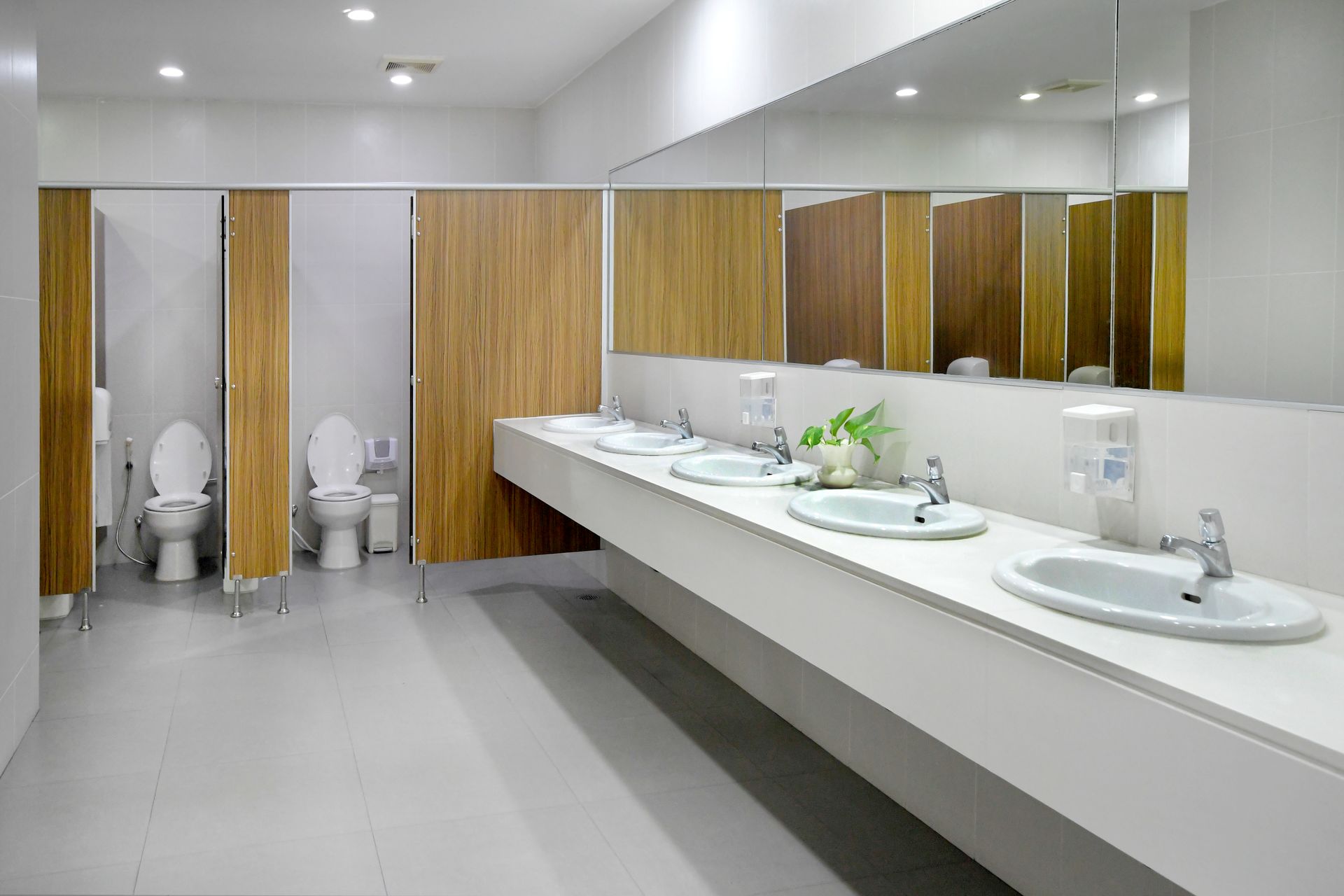
Front Royal Backflow Prevention installation
The clean water coming into your house is supposed to flow one direction. When it doesn’t, dirty water can get sucked back into the line you drink from. We install the assembly that stops that, do it to code, and test it before we leave.
What a backflow preventer actually does
Keeping the dirty water out of your drinking water
Backflow is when water reverses and flows the wrong way through your plumbing. A backflow preventer is a mechanical assembly that only lets water go out toward your fixtures, never back toward the public main or your well. It is one of those parts nobody thinks about until it is missing, and by then the damage is already done.
Here is how it happens. Your water is pushed through the pipes under pressure. Drop that pressure, say a water main breaks down the road, a fire hydrant gets opened up, or a big pump kicks on somewhere, and you can create suction. That suction pulls water backward. If there is a garden hose sitting in a bucket of fertilizer, a boiler full of chemical-treated water, or an irrigation line tied into a yard full of pesticide, that contaminated water can get drawn straight back into the line your family drinks from. A backflow preventer is the one-way gate that makes that impossible.
Backflow is when water reverses and flows the wrong way through your plumbing.
Most homeowners in Front Royal run into this requirement in one of three ways. You are adding an irrigation system and the town or your water provider wants a backflow assembly on it. You are putting in a boiler, a fire sprinkler line, or a pool fill, and code calls for protection. Or you are on a well and you want to protect your own water from a hose-end contamination point. Whatever brought you here, the fix is the same: install the right assembly, in the right spot, sized correctly, and tested.
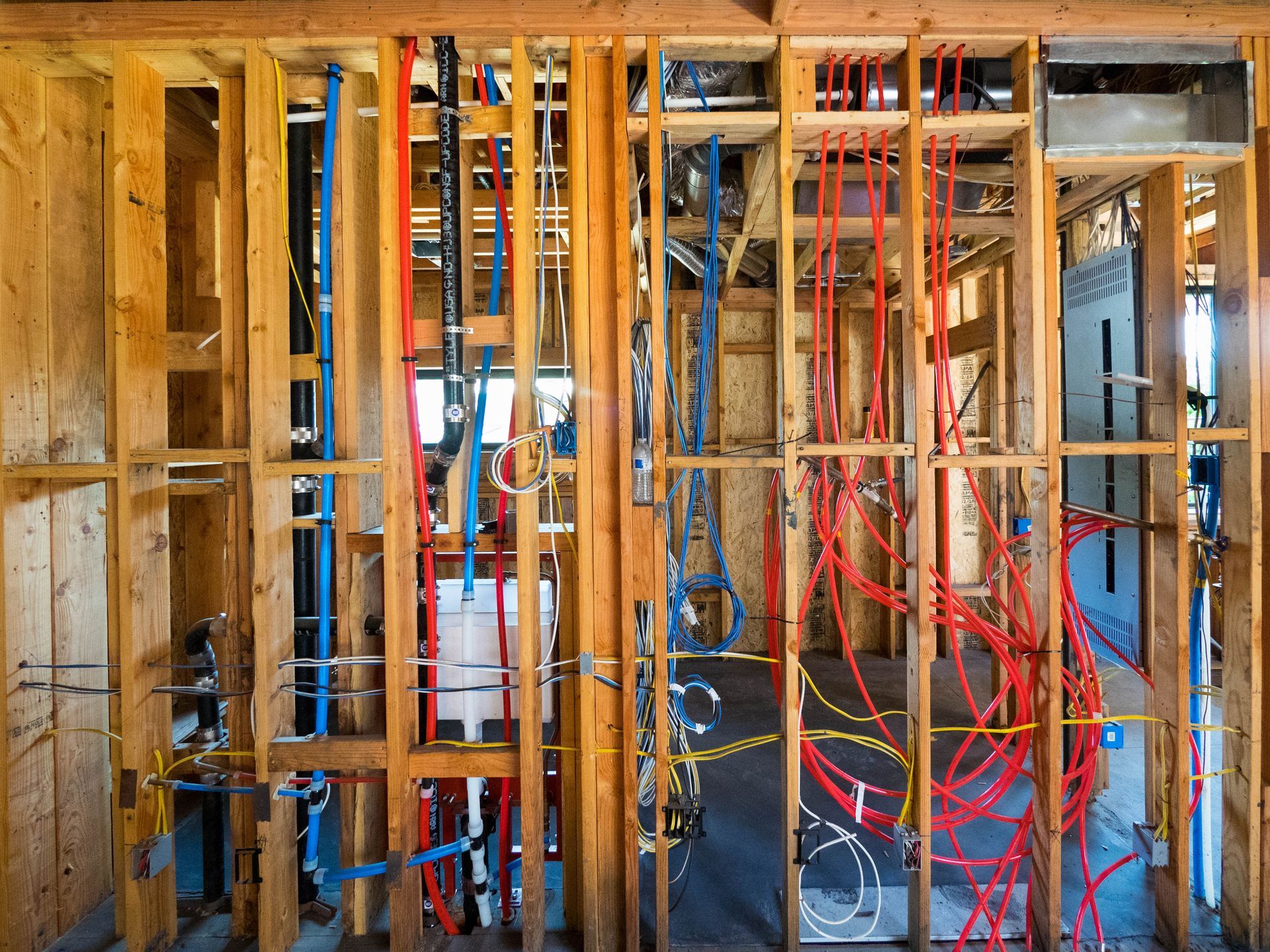
We are backflow certified, so we are not subbing this out or guessing. We install the device, we test it with the gauge, and we give you the paperwork that proves it passed. That documentation matters, because most water authorities want a passing test on file, and they want it from someone certified to run the test.
 Our crew on site in Front Royal
The signs you need one installed
When backflow protection stops being optional
A lot of the time it is not a leak that brings this up, it is a requirement. But there are also plenty of homes around here running without protection they should have. Read through these. If one fits you, give us a call and we will tell you straight whether you need an assembly and which one.
You are installing an irrigation systemLawn sprinklers are the single most common reason a home needs a backflow preventer. The heads sit in the dirt, in standing water, around fertilizer and weed killer. Code wants that loop separated from your drinking water.
See services Your water provider sent a notice
Front Royal and the surrounding water systems audit for cross-connections. If you got a letter asking for a backflow assembly or a passing test, that is a real deadline, not junk mail.
See services You added a boiler, pool, or fire sprinkler line
Any system that holds treated, heated, or chemically dosed water needs to be kept from feeding back into the potable supply.
See services You are on a well with outside hose bibs
Well water is yours to protect. A hose left in a pool, a chemical sprayer, or a livestock trough is a contamination point most people never think about.
See residential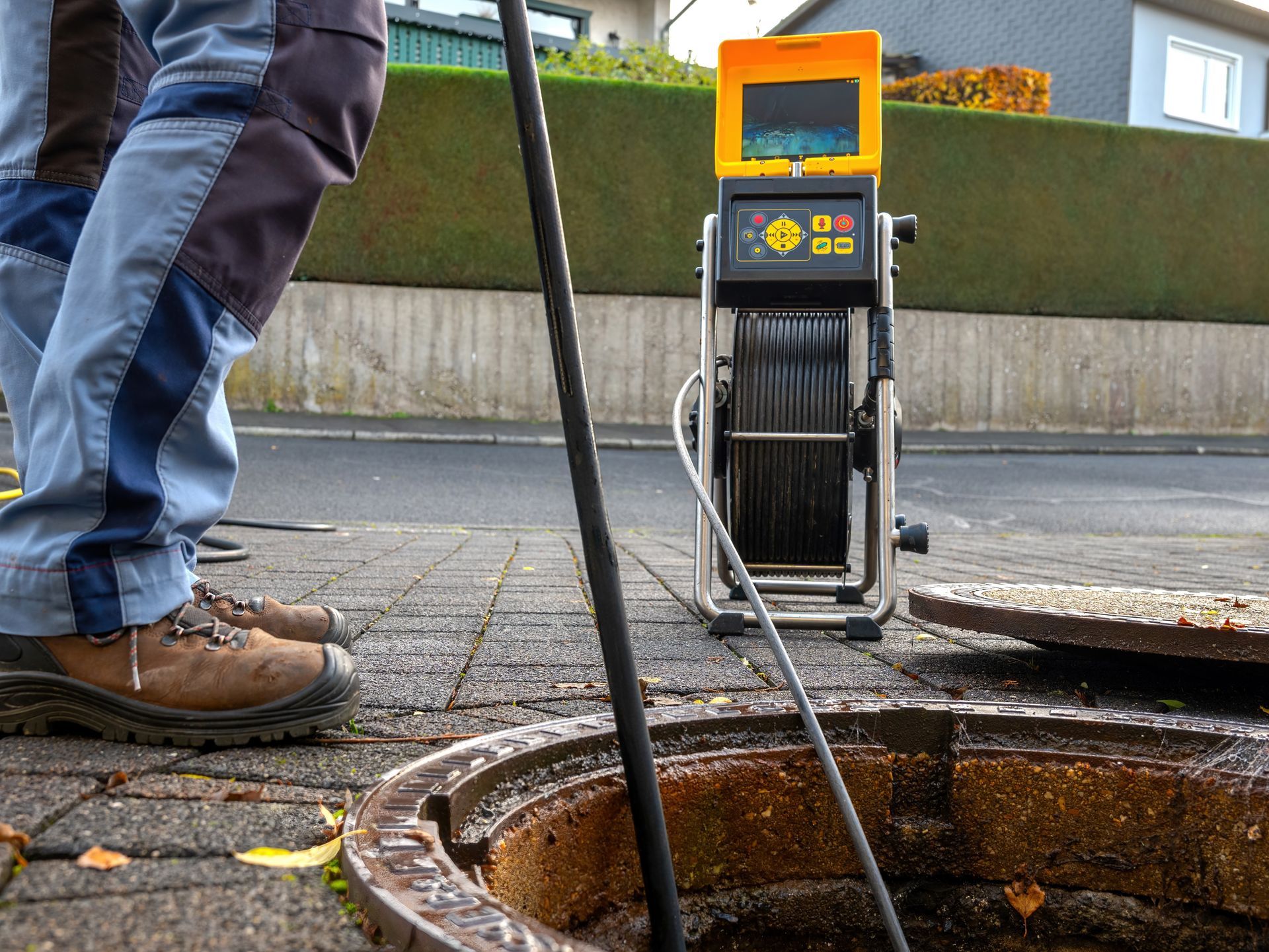 There is no device where there should be one
If you bought an older home and never saw a backflow assembly on the irrigation or the boiler feed, there may not be one. We can check.
See servicesHow Ajax does the install
Sized right, set right, tested before we leave
We look at your hazard and your layout
Not every line needs the same device. An irrigation feed is a different hazard than a boiler or a fire line. We figure out what we are protecting against, where the assembly has to sit, and whether there is room to test and service it later. If your water provider has a spec, we build to it.
We pick and size the assembly
The wrong size chokes your flow or fails to protect. We match the device to your pipe size and the level of hazard, then place it so it can be drained for the winter and reached with a test gauge. On freeze-prone lines we plan for the cold from day one, because the valley gets real winters.
We cut it in clean
We tie the assembly into your line with proper isolation valves on both sides so it can be serviced without shutting your whole house down. Solid supports, correct orientation, accessible test ports. We do it the way we would want it done in our own house.
We test it and hand you the paper
An assembly is not done until it passes a gauge test. We run it, confirm the check valves and relief are holding, and give you the documentation your water authority wants on file. Then we walk you through how to shut it off and drain it before the first hard freeze.
The common assemblies, plain English
What kind goes on your line depends on the hazard
Pressure Vacuum Breaker (PVB)
The workhorse for lawn irrigation. Sits above the highest sprinkler head, simple, and the most common thing we put in on residential sprinkler systems around Front Royal.
Reduced Pressure Zone (RPZ)
The high-protection device. When the hazard is serious, a boiler, a chemical feed, a fire line, an RPZ is what code usually calls for. More moving parts, more protection, needs a place to drain.
Double Check Valve
Two checks in series for lower-hazard connections where you mostly need to stop a back-pressure or back-siphon situation, not a toxic one.
Hose bib vacuum breaker
The small one that threads onto an outside spigot. Cheap, important, and the kind of thing we add while we are already there. Stops the hose-in-a-bucket problem.
Not sure which one your situation calls for? That is the whole point of the free quote. Tell us what you are connecting and we will tell you what protects it and what your water provider will accept.
Honest pricing and the local stuff
What it costs and why winter matters here
We are not going to put a single price on a backflow install on a web page, because the number depends on real things: the type of assembly, your pipe size, how the line is run, and whether we are adding a device to a clean new line or fishing one into an older Front Royal home with cast iron and tight crawl spaces. What we will do is come look, tell you the device you need, and give you a free quote before any work starts. No surprise add-ons after.
The honest posture is this. A small hose bib breaker is cheap. A residential irrigation PVB is a moderate job. An RPZ on a boiler or a fire line is a bigger job because of the device cost, the drain requirement, and the testing. We will tell you which bucket you are in up front so you can plan, and we will not sell you an RPZ when a PVB does the job.
Backflow assemblies are mechanical, and a lot of them sit above ground or in unheated space. When the valley drops below freezing, water trapped in a poorly drained assembly can split a check valve or crack a body. That is an expensive repair come spring when you fire the sprinklers back up. We install with the freeze in mind, set the device so it can actually be drained, and show you how to winterize it. If you are on an older home or a well out toward the ridge, we have seen the way the cold gets into those lines and we plan for it.
If a frozen line did get you this winter, ask about our 10 percent off on frozen water line repairs while we are out. Take a look at our recent work in the gallery, then call or use the contact page and we will get you on the schedule.
Questions people ask us
Backflow prevention, answered
Do I really need a backflow preventer for my sprinkler system?
In almost every case, yes. Irrigation is the most common residential cross-connection there is, and most water providers in and around Front Royal require a backflow assembly on a sprinkler line. The sprinkler heads sit in soil, fertilizer, and standing water, and a pressure drop can pull all of that back toward your drinking water. If you are adding irrigation, plan on a device.
What is the difference between a PVB and an RPZ?
A PVB, or pressure vacuum breaker, is the common, lower-cost device for lawn irrigation. An RPZ, reduced pressure zone assembly, is the high-protection device used where the hazard is more serious, like a boiler, a fire line, or a chemical connection. An RPZ has more moving parts and needs a place to drain. We will tell you which one your situation calls for and which one your water authority will accept.
Does the assembly have to be tested after you install it?
Yes. A backflow assembly is not finished until it passes a gauge test that proves the check valves and relief are holding. We are backflow certified, so we run that test ourselves and hand you the documentation your water provider wants on file. Many systems also require the device to be tested every year after that, and we can come back and do it.
Will a backflow preventer slow down my water pressure?
A correctly sized assembly causes only a small pressure drop you will not notice in normal use. Problems happen when a device is undersized for the pipe or installed in the wrong spot. That is why we size it to your line instead of just grabbing whatever is on the truck. If your pressure already feels low, tell us and we will check the whole picture.
How do I keep mine from freezing in the winter?
Most outdoor and above-ground assemblies need to be drained before the first hard freeze. When we install yours, we set it so it can actually be drained and we show you how. If you would rather not deal with it, we can winterize it for you. A frozen, cracked backflow body is an avoidable spring repair, and the valley gets cold enough that it happens every year.
Can you install one in an older Front Royal home or out on a well?
Yes. We work in plenty of older homes with cast iron, tight crawl spaces, and lines that were not run with a backflow device in mind, and we work on well systems out toward the ridge. We figure out where the assembly fits, where it can be serviced and drained, and we tie it in clean. Call us and we will come look before quoting anything.
Need a Front Royal plumber?
Tell us what is going on and a real person calls you back, usually within the hour. The quote is always free.
Rather talk now? Call 540-671-5417, 24/7.