
What Well Water Does Inside a Stephens City Water Heater
Out past the interchange the water arrives untreated, and your heater is the appliance that pays for it. Here is what settles in there, what it sounds like, and when a repair still makes sense.
Heater Rumbling On Well Water?
Call 540-671-5417 for a free diagnosis. We open it up, look at what has collected inside, and tell you honestly whether a flush buys you years or whether the tank is finished.
Homes west of Stephens City draw from private wells, and that water shows up at the house exactly as the ground handed it over. No treatment plant, no settling, nothing removed. Everything dissolved or suspended in it goes straight into the plumbing, and the one appliance that concentrates it is the water heater. A tank spends its whole life holding forty or fifty gallons still and hot, which turns out to be perfect conditions for dropping solids. This is what that does over the years.
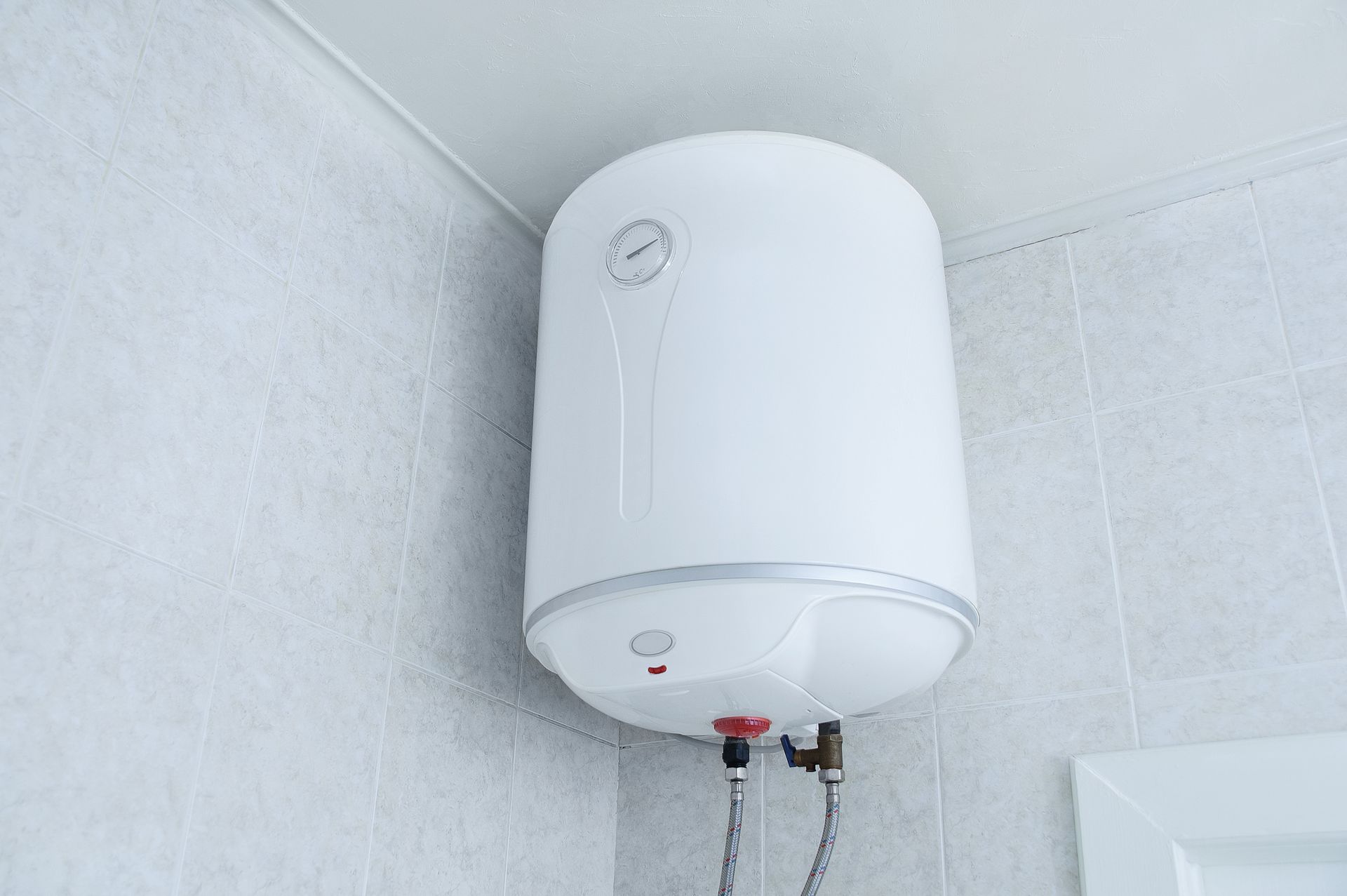
Why A Tank Collects What A Faucet Never Sees
A faucet is a pipe that water passes through. Whatever is suspended in it goes out the spout with it and nothing accumulates. A tank is the opposite. Water enters, sits, gets heated, and only the top of it leaves when you open a hot tap. Anything heavier than the water itself sinks to the floor of the vessel during the wait and stays there when the hot water goes out to the shower. Nothing carries it away.
Heat compounds the problem. Warming water reduces how much mineral it can hold in solution, so dissolved content that traveled invisibly through your supply pipe comes out of solution the moment it hits the tank and joins the grit already on the bottom. Every fill cycle contributes a little more to a layer that only ever thickens. On treated county supply inside town that layer builds slowly. On untreated well supply carrying its own sediment and iron on top of the mineral load, it builds a great deal faster, which is why two identical heaters four miles apart can be at completely different points in their lives.
What The Buildup Costs You Day To Day
The bottom of a gas tank is where the burner does its work, so a layer sitting on that floor is a blanket between the flame and the water. Heat has to travel through the deposit before it reaches anything, which means the burner runs longer for the same result. Your fuel use climbs quietly with no change in how you live. On an electric unit the lower element sits down in that same layer and works against it directly.
You lose capacity at the same time. The deposit takes up volume the tank was designed to fill with water, so a heater rated at fifty gallons might be storing meaningfully less and running short partway through the shower routine on a busy morning. Then there is the noise. When water gets trapped under the layer and flashes to steam, the bubbles force through and collapse, and that is the rumbling and popping people describe to us on the phone. That sound is not the heater breaking. It is the heater telling you what it has been swallowing.
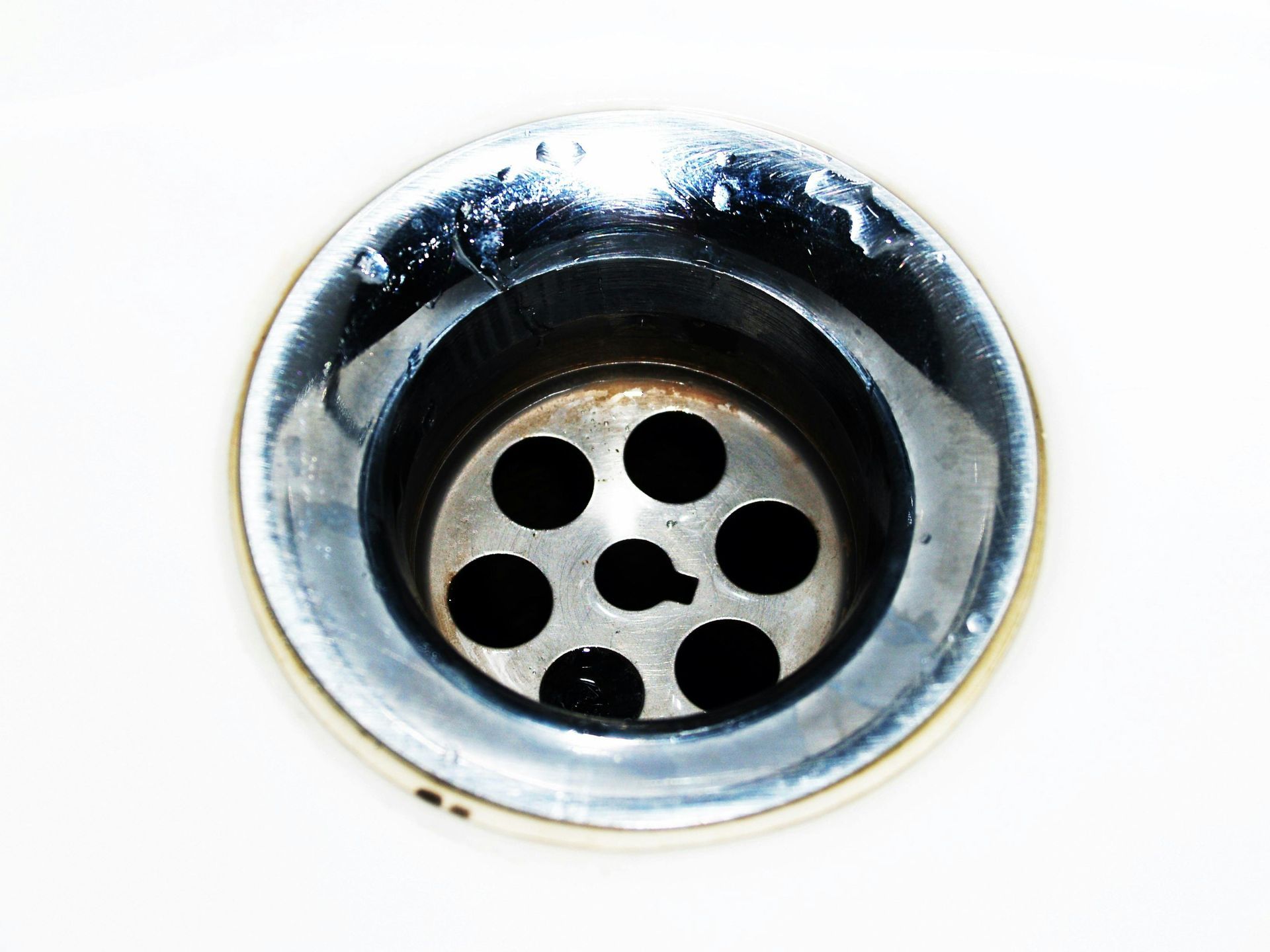
The Flush, And Why It Has To Be Yearly
Draining a heater once a year clears the accumulation while it is still loose enough to leave through the drain valve. Do it on schedule and the flush stays a short routine visit. Skip it for five or six years and the layer compacts into something closer to a crust bonded to the tank floor, and at that stage draining removes a fraction of it and leaves the rest sitting exactly where it was.
That is the part homeowners find frustrating, and it is worth being straight about. A first flush on a heater that has never had one is genuinely disappointing, because most of what is in there has hardened past the point of leaving through a valve. It still helps, and it stops further accumulation from adding to the pile, but nobody should expect it to reverse eight years of neglect. The value of a flush is almost entirely preventive. Put it on the calendar the year the heater goes in and it keeps paying. Start it in year nine and you are managing a condition rather than avoiding one.
The Anode Rod Nobody Was Told About
Inside every tank there is a rod made of a metal that corrodes more readily than steel. It is there on purpose. Corrosion attacks it first and leaves the tank alone, which is the only reason a steel vessel full of hot water lasts a decade at all. Almost no homeowner knows it exists, which is understandable, because nothing about a water heater advertises it.
Water that is harder or carrying more iron consumes that rod faster, so a well-fed house burns through one sooner than a house in town. When the rod is spent the protection is simply gone and corrosion moves to the next available metal, which is the tank wall. That is the point where the heater has an expiration date rather than a maintenance need. Having the rod checked every couple of years and replaced when it is used up is inexpensive and it is the single largest lever anybody has over how long the unit lives. Our full approach is on the water heater repair page for Stephens City.
Where We Draw The Line On Repair
A failed component and a failed vessel look identical from the hallway, and the whole job of a diagnosis is separating them. Elements, thermostats, gas valves, thermocouples, and relief valves are all parts. Any of them can quit on a tank that is otherwise in fine shape, and replacing one is straightforward and worth doing. The tank itself is not a part, and nothing on the truck repairs corroded steel.
So we look at three things: what actually failed, what condition the anode and the tank base are in, and how much sediment is down there. A younger tank on a well with a dead element and clean steel gets the element and keeps working. An older one already rumbling hard with rust bleeding into the hot side gets an honest conversation instead of a repair bill, because a fix on that unit is money spent on borrowed time. You get that read before we quote anything, and looking costs nothing either way. Past work is in the gallery, and the contact page reaches us any hour.
Frequently Asked Questions
Does a filter ahead of the heater actually help on a well?
Yes, when it is matched to what your water carries. Sediment filtration keeps grit out of the tank, and softening addresses the mineral side. Both reduce what settles inside, which is why we ask what your water is bringing in before recommending anything specific.
My heater rumbles but still makes hot water. Do I need to act?
Get it flushed soon rather than later. Rumbling means the layer is already there, and it will thicken. Caught early, a flush ends the noise. Left several more years, the deposit hardens and a flush stops being able to remove much of it.
Is there rust in my hot water but not my cold?
That points at the anode rod being spent and the tank steel corroding in its place. It is a real warning, not a nuisance. Have it looked at soon, because the stage after that one is a leak, and a leaking tank has no repair.
If your Stephens City heater is knocking or you are on a well and have never had it flushed, call 540-671-5417 or reach us through the contact page. The diagnosis is free.